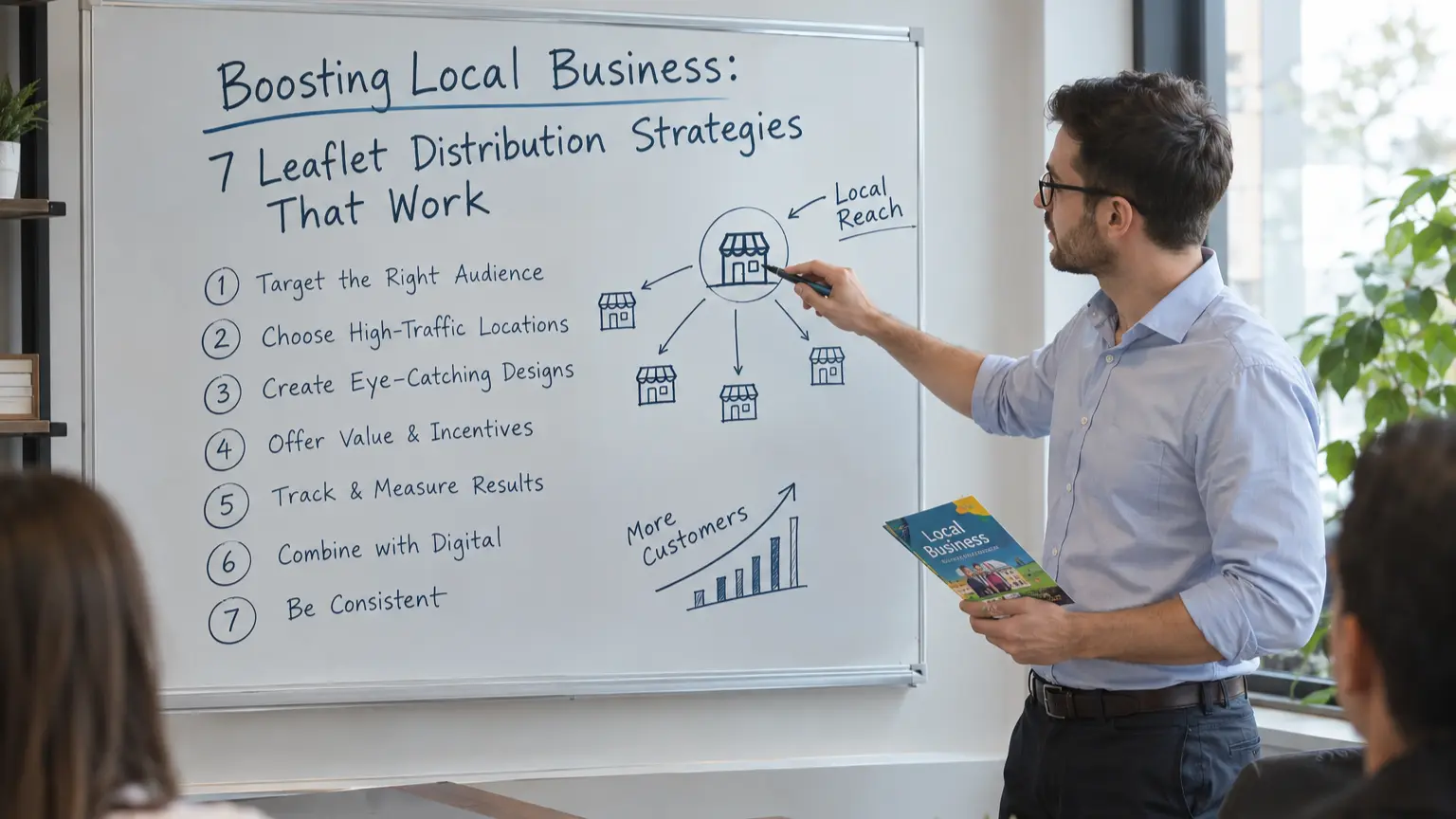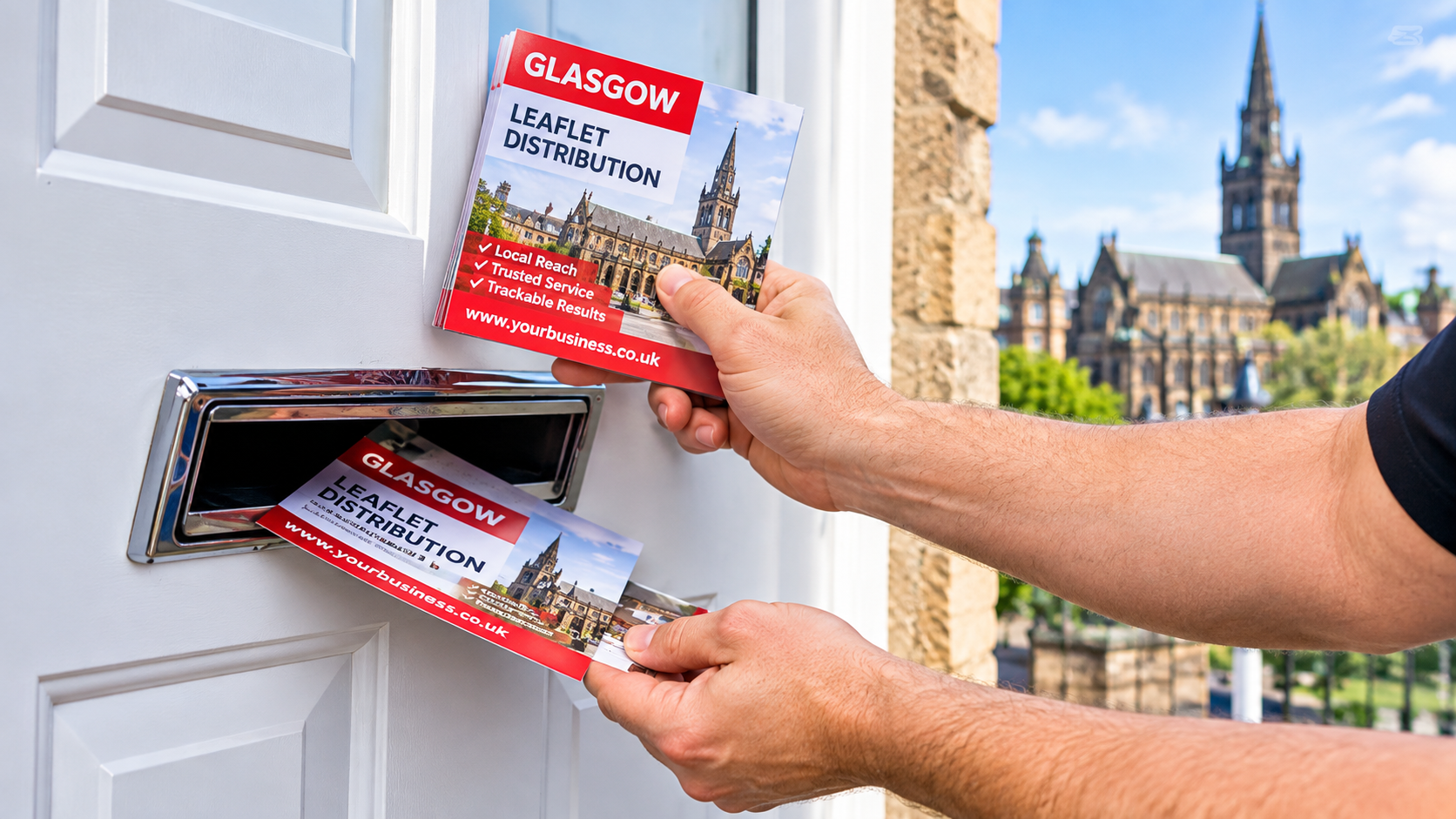
Few marketing channels land as literally on your customer’s doorstep as a leaflet. For businesses in Scotland’s largest city, a well-planned leaflet distribution Glasgow campaign can raise awareness, bring people through the door, fill events and produce sales you can measure.
Trades, takeaways, letting agents, gyms, clinics and charities all use door drops to reach the households that online ads overlook. Below, we break down how leaflet distribution in Glasgow works, what it costs, where to focus and how to get the most from every leaflet.
Why Leaflet Distribution in Glasgow Still Works
Glasgow is Scotland’s biggest market by far. The city had an estimated 654,330 residents in mid-2025, the highest of all 32 Scottish council areas, and close to 300,000 households. That is a large, dense audience you can reach street by street.
Door drops are far from old-fashioned. In 2024, more than 8,500 UK advertisers used them – roughly one in six of all advertisers in the country.
In short, a leaflet is not glanced at and binned. It sits on the kitchen worktop for nearly a week, gets picked up several times and often sends people straight to your website. That staying power is something a scrolling social ad rarely matches.
Types of Leaflet Distribution in Glasgow
Every campaign is different, so the right delivery model comes down to three questions: how much you want to spend, how quickly you need results and how precisely you want to aim.
Solus: your leaflet, and nothing else
A solus drop means your flyer is the only item delivered on that round. Households see it on its own, so it has far more impact. You also choose the exact week it lands, which matters for time-sensitive offers such as a grand opening or a seasonal sale.
Shared: split the cost with other brands
On a shared round, your leaflet travels with a handful of others from businesses that are not your competitors. Because several advertisers share the cost of each walk, this is the cheapest way to cover large parts of the city. The trade-off is that the distributor usually sets the delivery window.
Targeted: pick your streets
If your ideal customer lives in a particular type of home or postcode, a targeted drop lets you skip everyone else. A letting agent might focus on Hyndland flats, while a landscaper might choose detached homes in Newlands or Bearsden. Fewer wasted leaflets means a better return on every one you print.
How much does leaflet distribution in Glasgow cost?
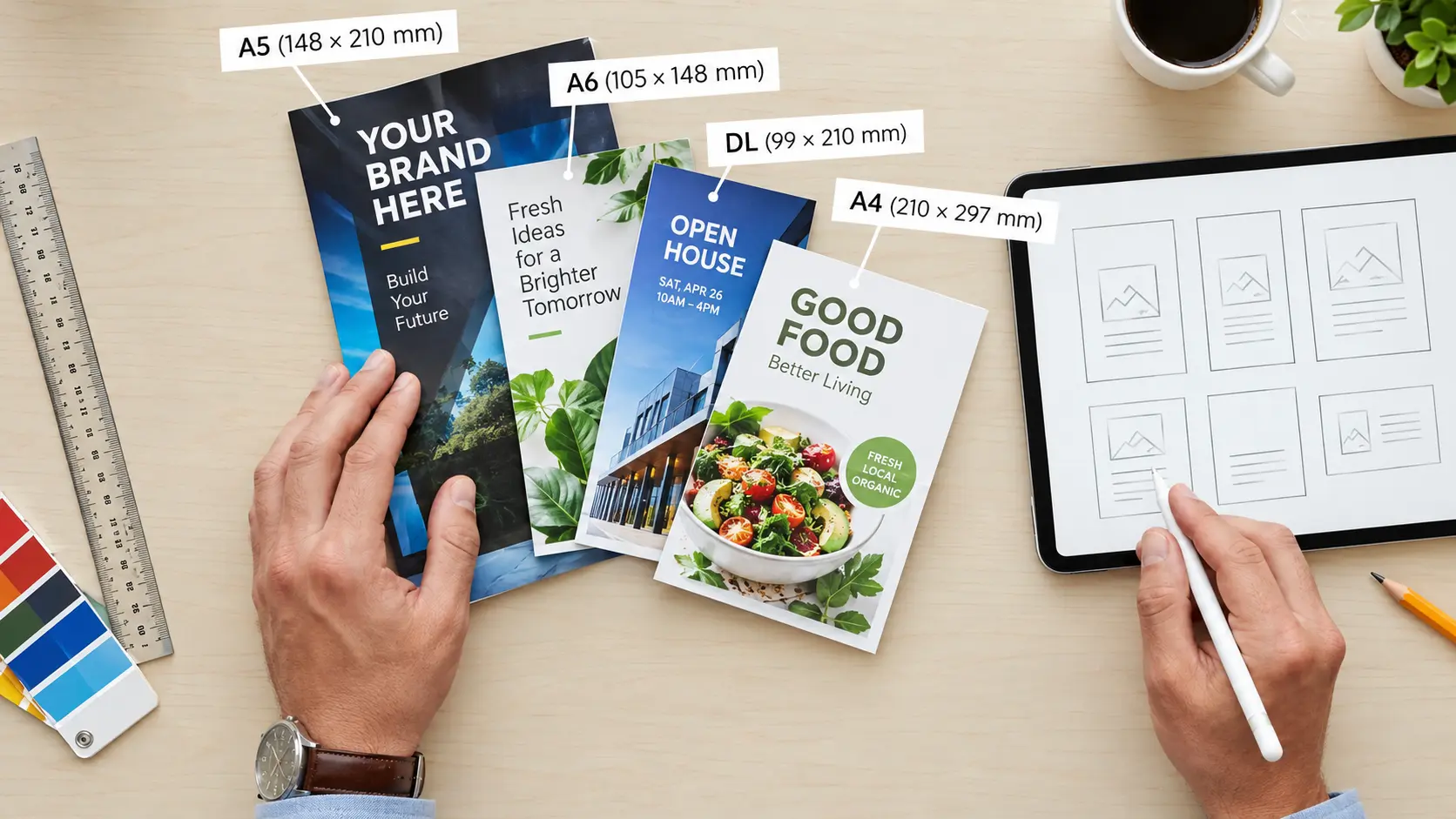
Prices vary with leaflet size and weight, the area covered, the delivery method and whether GPS tracking is included. As a rough guide:
Method | Best for | Indicative cost per 1,000 |
|---|---|---|
Shared | Wide reach on a tight budget | £35–£50 |
Solus | Maximum visibility and fixed dates | £45–£100 |
Targeted / GPS-tracked | Specific streets and property types | From around £80 |
These figures are indicative only, so always ask for a written quote. Be wary of very cheap offers: delivering 1,000 leaflets on foot can take a full working day, and a rate that cannot pay a fair wage is a red flag that leaflets may not reach doors.
Where to Target Your Leaflets in Glasgow
Glasgow is a city of very different neighbourhoods, and the best leaflet distribution Glasgow campaigns match the message to the area:
- City Centre and Merchant City: busy flats and young professionals, ideal for restaurants, bars, gyms and delivery services.
- West End (Partick, Hyndland, Byres Road): students and young families, a strong fit for cafés, letting agents, tutors and events.
- Southside (Shawlands, Pollokshields, Newlands): a mix of tenements and larger family homes, well suited to trades, schools and local retailers.
- East End (Dennistoun, Parkhead, Shettleston): growing communities where takeaways, home services and community events perform well.
- Greater Glasgow (Bearsden, Milngavie, Newton Mearns, Paisley): more detached and semi-detached homes, great for home improvement, gardening and premium services.
A Glasgow-specific tip: tenements
Much of Glasgow lives in traditional sandstone tenements with secure entry doors. A distributor who cannot get into the close cannot reach the letterboxes inside. Ask any provider how they handle controlled-entry buildings and flats, as this can make a big difference to real coverage in areas like the West End and Southside.
What to Consider Before You Book
Not every distributor delivers the same quality. Run through this quick checklist before you sign anything:
- Is the price realistic? A rock-bottom quote often means rushed or partial coverage. Ask how walkers are paid and how many leaflets each person delivers per day.
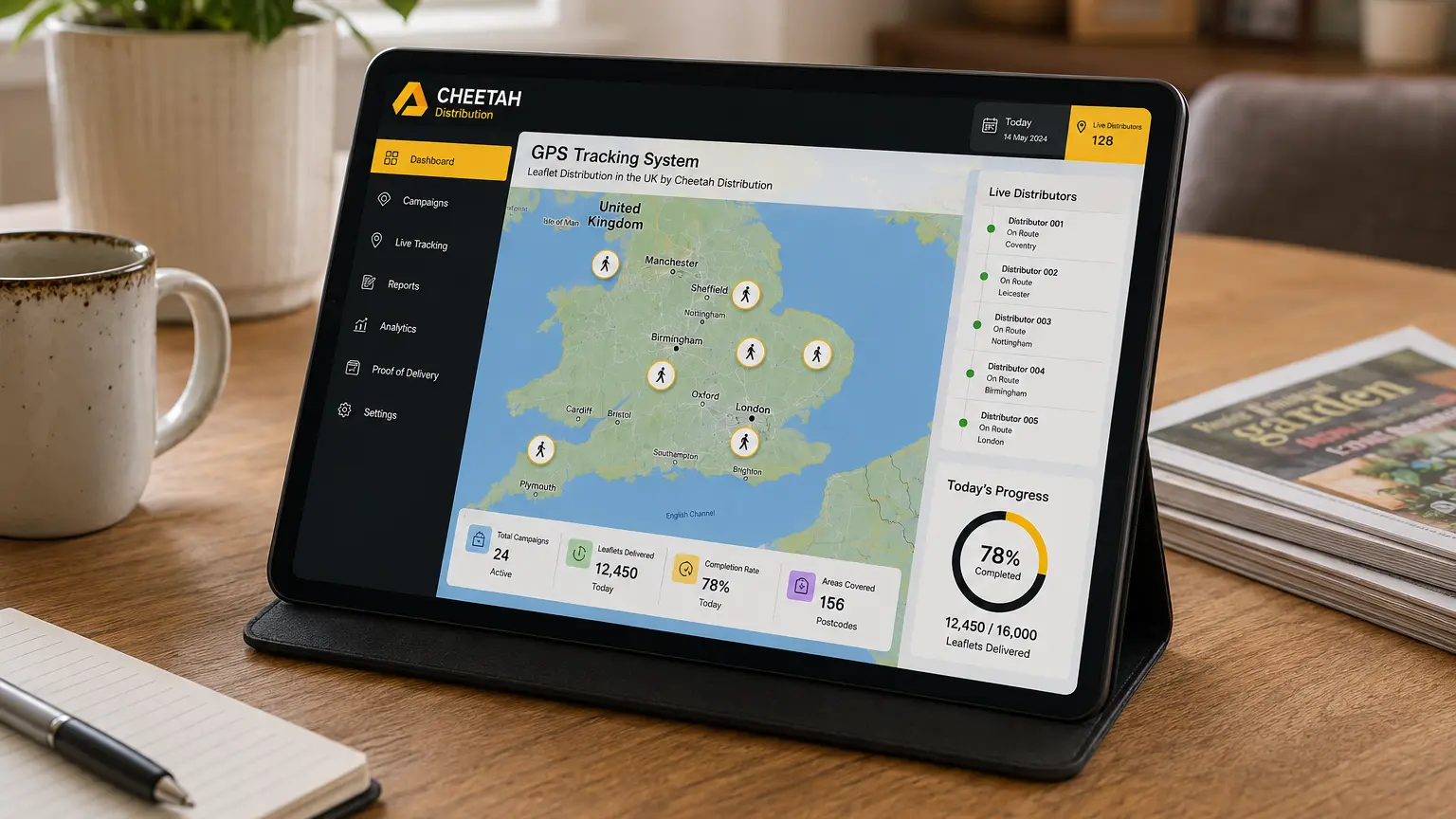
- Can they prove delivery? Look for GPS-tracked teams and a map or report showing every street covered.
- Do they know Glasgow? Local teams understand tenement access, student turnover in the West End and which areas suit which offers.
- Are they properly accredited? Industry body membership, ISO standards and a clear data-protection policy all point to a professional operator.
- Will they help you plan? The best partners advise on areas, timing, quantities and leaflet design, not just delivery.
Make your leaflet work harder
Even perfect delivery cannot rescue a weak leaflet. Lead with one clear benefit, mention the neighbourhood, include a time-limited offer and finish with a single, obvious next step. A QR code is a must: it gives curious readers an instant route to your website and makes results easy to track.
How to Measure Your Results
Tracking turns a leaflet drop from guesswork into a repeatable sales channel:
- Use a unique QR code, discount code or phone number for each campaign.
- Send QR traffic to a dedicated landing page.
- Split-test areas or designs to see which performs best.
As a guide, at the UK average response rate of 0.5%, a drop of 10,000 leaflets would generate around 50 responses. A strong offer, good targeting and repeat drops can push that much higher, and because leaflets also build brand awareness, many customers will respond weeks later.
Frequently Asked Questions
How many leaflets should I distribute in Glasgow? For a first campaign, 5,000 to 10,000 leaflets in a focused area is a sensible test. Once you know your response rate, scale up in the areas that perform best.
How often should I run a door drop? Repetition builds recognition. Many local businesses see better results from three drops a few weeks apart than from one large drop.
When is the best time for leaflet distribution in Glasgow? Plan around your offer: before school holidays, Christmas, the spring home-improvement season or a local event. Aim for the leaflet to land one to two weeks before you need the response.
Is leaflet distribution GDPR-compliant? Unaddressed door drops don’t rely on personal data, so they are one of the easiest channels to keep GDPR-friendly. If you combine them with addressed mail, use a clean, permission-based mailing list.
Conclusion
Leaflet distribution remains one of the most reliable ways to reach Glasgow households, with strong attention, a long life in the home and a proven return on investment. The key is to plan properly: choose the right delivery method, target the right neighbourhoods, design a leaflet that drives action and work with a trustworthy, GPS-tracked provider.
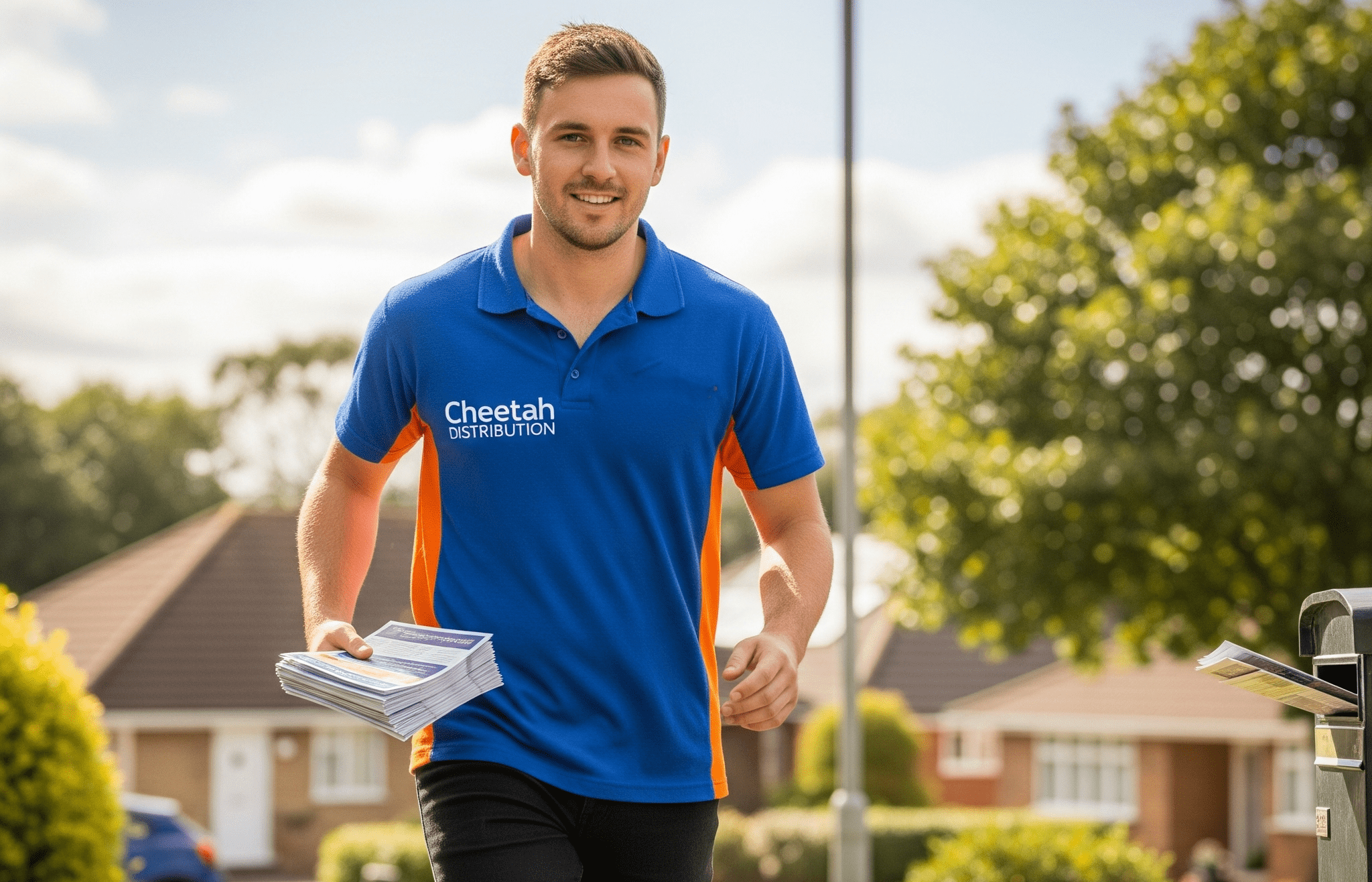
Ready to start your leaflet distribution Glasgow campaign? Get in touch with Cheetah Distribution today for expert advice, a free area plan and a no-obligation quote.